
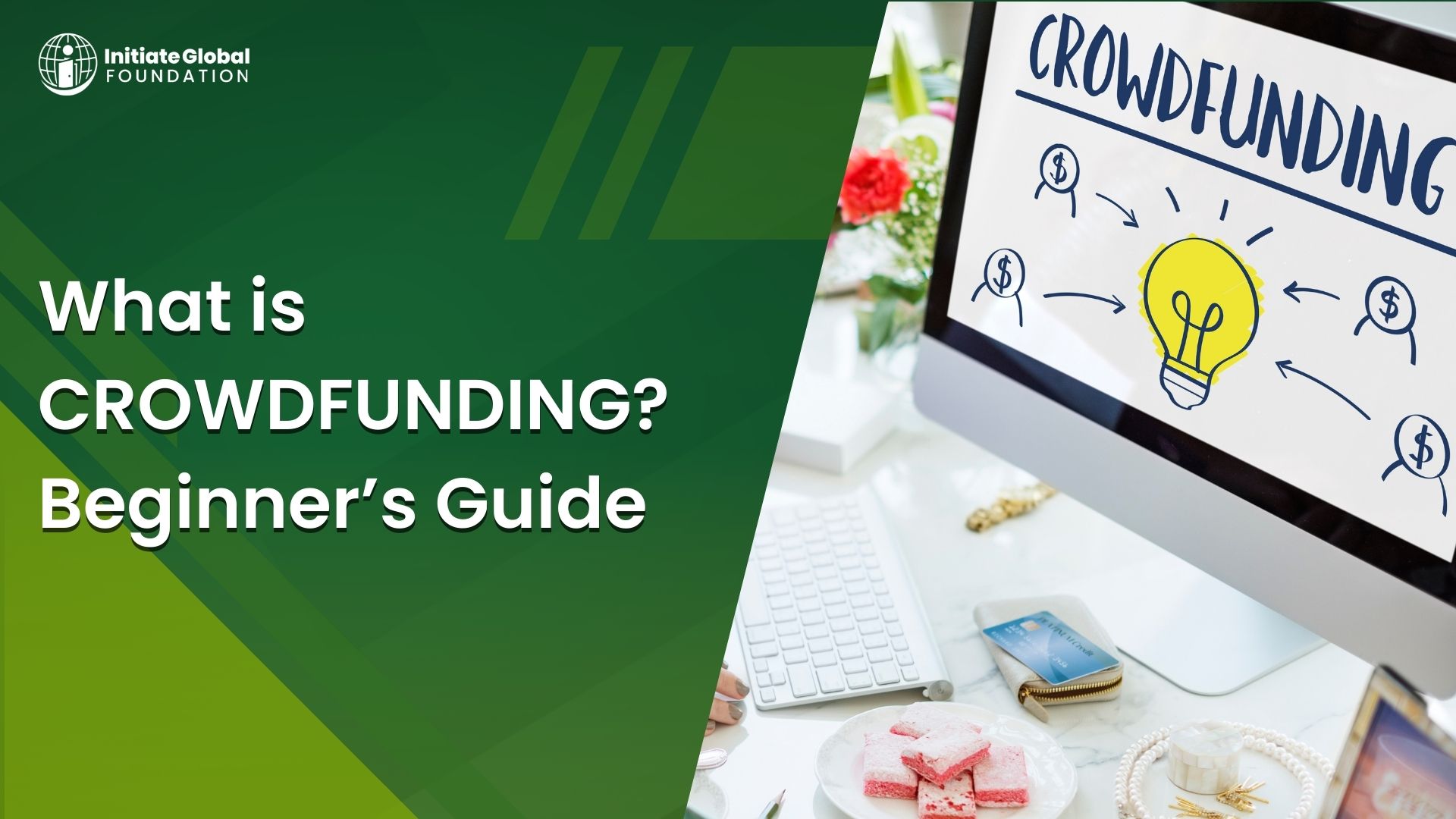
Crowdfunding is a modern financing strategy where many individuals contribute small amounts toward a shared goal, typically through online platforms. Unlike traditional financing that depends on banks or a handful of investors, this model enables communities to collectively support businesses, social causes, and creative projects.
Globally, this funding approach has evolved into a multibillion-dollar industry. According to Statista, the worldwide crowdfunding market reached approximately USD 17.72 billion in 2024 and is projected to grow to USD 20.46 billion in 2025. This rapid expansion reflects growing trust in digital platforms and community-driven finance.
For Filipino entrepreneurs and nonprofits, crowdfunding Philippines initiatives are becoming increasingly relevant as access to traditional capital remains limited for many MSMEs and grassroots projects.
Types of Crowdfunding
There are four primary crowdfunding models, each serving different needs:
-
- Donation‑based crowdfunding – supporters contribute voluntarily to a cause without expecting financial returns. This model is common for medical assistance, disaster response, church initiatives, and social programs.
- Reward‑based crowdfunding – backers receive perks such as branded merchandise, early product access, or exclusive experiences. Platforms like Kickstarter popularized this approach for creative and tech projects.
- Equity crowdfunding – businesses can raise capital by offering shares to multiple investors. This allows businesses to scale while giving supporters ownership stakes.
- Debt‑based crowdfunding (also called peer‑to‑peer lending or crowdlending) – allows multiple investors to lend money to a business that repays with interest. Each model serves different purposes, so understanding their distinctions helps funders and founders choose wisely.
How Crowdfunding Works
At its core, crowdfunding connects fundraisers and supporters through digital platforms. Campaign creators set a funding target, define timelines, craft a compelling story, and often produce a pitch video.
There are two common funding structures:
• All-or-Nothing Model – Funds are released only if the target is met. This model builds urgency and trust.
• Keep-It-All Model – Campaigns retain all contributions even if the goal is not fully achieved.
Platforms typically charge fees. For example, Initiate Global Foundation charges a 2% processing fee for donation and a 5% processing fee for rewards plus payment gateway transaction fees.
Transparency, storytelling, and consistent updates significantly increase success rates.
Benefits of Crowdfunding
One of the most powerful advantages of this funding model is market validation. When people are willing to support a concept financially, it signals real demand. Successful campaigns like Oculus Rift raised over USD 2.4 million on Kickstarter before attracting major investors. Beyond capital, campaigns often build loyal communities that become long-term brand advocates.
For Filipino founders, crowdfunding Philippines initiatives provide:
• Access to capital without traditional collateral
• Early customer engagement and feedback
• Increased visibility through social sharing
• Non-dilutive funding (for donation and reward models)
This makes it especially valuable for startups, social enterprises, creative ventures, and mission-driven projects.
Challenges with Crowdfunding
Despite its advantages, crowdfunding requires preparation and strategic execution. Research from Qubit shows that only around 22% of campaigns reach their funding goals. Success varies by model, with reward-based campaigns performing better than donation or equity campaigns in some regions.
Common challenges include:
• Underestimating marketing effort
• Weak storytelling or unclear goals
• Poor update frequency
• Regulatory compliance requirements
In markets like the United States, Regulation Crowdfunding caps fundraising limits and requires structured disclosures. As local frameworks evolve, Philippine campaigns must also prioritize transparency and compliance.
The Role of Structured Crowdfunding in the Philippines
As access to traditional loans and venture capital remains challenging for many Filipino founders, structured and responsible crowdfunding ecosystems become critical.
Initiate Global Foundation advocates for transparent and sustainable funding pathways that protect both project creators and supporters. By promoting education, compliance awareness, and ethical campaign management, structured platforms help ensure long-term trust in the ecosystem.
Why Crowdfunding Matters for Filipino Communities
Beyond business funding, crowdfunding empowers communities. It enables collective action for medical emergencies, education support, church renovations, environmental causes, and startup innovation.
When done responsibly, it becomes more than fundraising. It becomes community mobilization.
As digital adoption increases across Southeast Asia, the opportunity for crowdfunding Philippines campaigns to grow sustainably becomes stronger. Education, transparency, and structured platforms will determine how impactful this growth becomes.
Start or Support a Campaign Today
Whether you are a founder seeking capital or a supporter looking to make a difference, crowdfunding offers a practical and inclusive path forward.
If you have a project worth rallying around, start your campaign with a structured and transparent approach.
If you want to help create impact, explore ongoing campaigns and be part of a growing movement that empowers Filipino entrepreneurs and communities.
Visit Initiate PH to learn more about launching or supporting a campaign