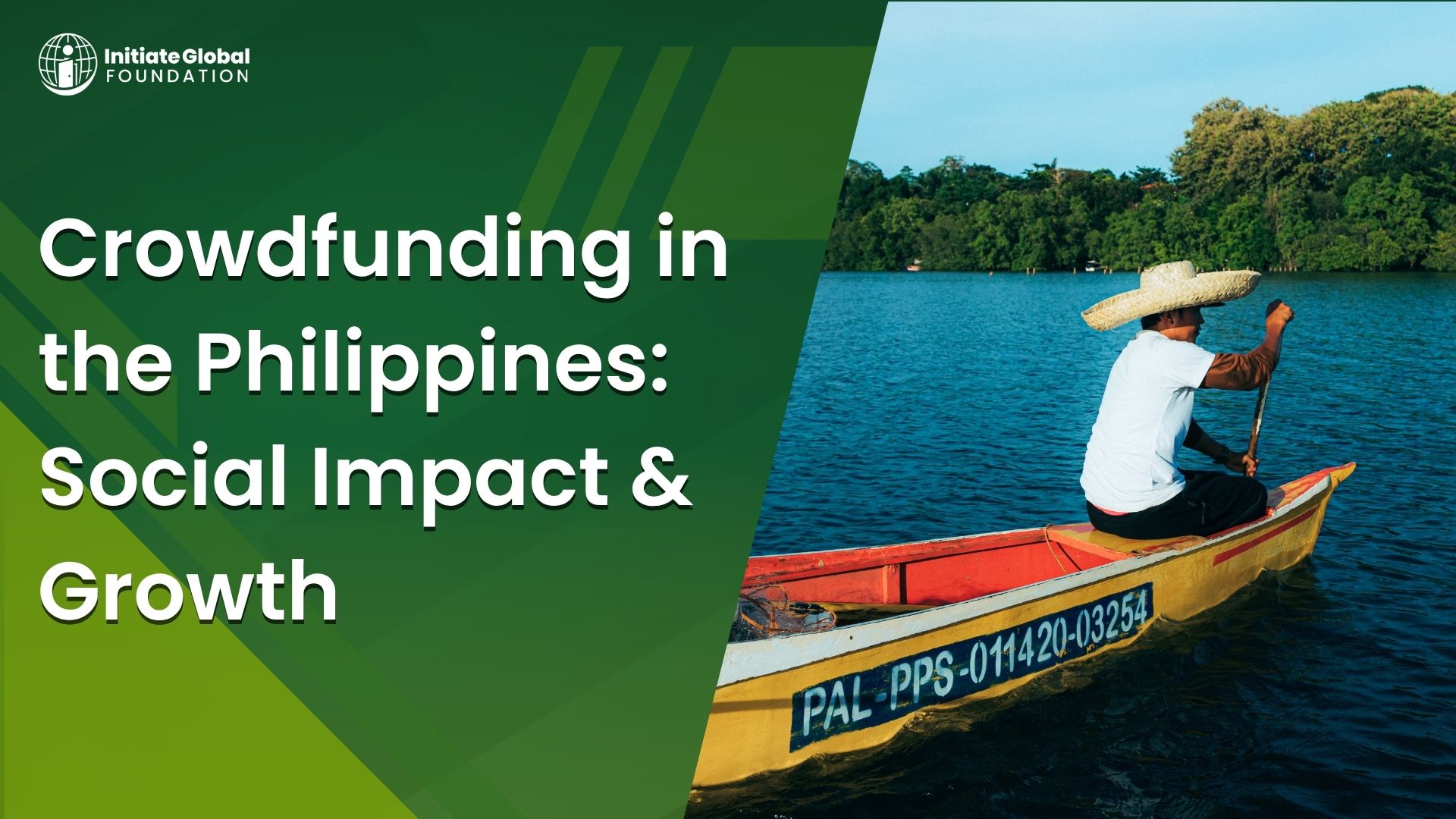
In the Philippines, crowdfunding is emerging as a powerful tool for social impact and entrepreneurship. The launch of Initiate Global Foundation (IGF) in February 2026 illustrates how local platforms can harness technology and bayanihan (community spirit) to fund sustainable initiatives. IGF positions itself as the Philippines’ first social fintech enterprise; it provides NGOs, social advocates and changemakers with structured tools to build sustainable funding ecosystems. By aligning generosity with practical economic solutions, IGF enables communities to secure consistent resources, scale critical programs and strengthen resilience.
Empowering communities – IGF’s mission is to convert goodwill into measurable outcomes. The foundation focuses on key development pillars such as education, healthcare, livelihood generation, climate action and inclusive economic growth. Its Initiate 2030 movement invites NGOs, youth leaders, social enterprises, private sector partners and everyday Filipinos to collaborate toward the United Nations Sustainable Development Goals. This model not only raises funds but also instils a sense of agency among participants: contributors become partners in nation‑building, not just donors.
Regulatory environment – Crowdfunding in the Philippines is regulated to protect both investors and issuers. While the country awaits the full implementation of Initiate PH’s secondary license, the Securities and Exchange Commission (SEC) has established rules for equity and lending‑based crowdfunding. These rules require intermediaries and issuers to register, provide disclosures and adhere to investor caps. Such regulation fosters trust by ensuring transparency and accountability, critical factors for building a crowdfunding ecosystem.
Comparing platforms – Global giants like GoFundMe, Kickstarter and Indiegogo still dominate worldwide, but local initiatives offer unique benefits. GoFundMe lists numerous fundraising categories—including medical, memorial, education and environmental causes—and has raised more than USD 50 million per week globally. However, IGF tailors its platform to Filipino cultural values and social priorities. For example, it emphasizes bayanihan and transparency, aligning campaigns with measurable development goals.
Opportunities and challenges – Crowdfunding can address funding gaps for grassroots initiatives, social enterprises and disaster relief. But success depends on storytelling, early momentum and trust. With only about 25% of donation campaigns reaching their goals, local platforms must invest in education and marketing to help project initiators create compelling campaigns. Additionally, infrastructure challenges such as internet access in rural areas and payment gateways may limit reach. Partnerships with telecom providers, banks and government agencies can broaden access.
Looking forward – The Philippine crowdfunding ecosystem is poised for growth as more people adopt digital payments and as regulators refine guidelines. IGF’s launch signals a shift toward socially driven fintech, where donations are treated as strategic investments in communities. By fostering transparency, accountability and community collaboration, crowdfunding can become a cornerstone of inclusive development in the Philippines.